

Car Loan Finance Online :: News
SHARE

Share this news item!

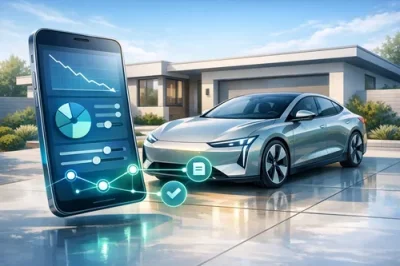
Used EV Price Falls Are Reshaping Car Finance Decisions

Why cheaper second-hand electric cars still need careful loan planning

Used EV Price Falls Are Reshaping Car Finance Decisions?w=400

The information on this website is general in nature and does not take into account your objectives, financial situation, or needs. Consider seeking personal advice from a licensed adviser before acting on any information.

Australia's used electric vehicle market is entering a more buyer-friendly phase, with prices for some second-hand battery models easing as new supply improves and manufacturers sharpen new-car offers.
For drivers who have been waiting for electric vehicles to become more affordable, this is a welcome shift.
However, the finance implications are more nuanced than a lower sticker price might suggest.

The change is being driven by several forces at once. More electric vehicles are now reaching the used market through ex-demonstrator stock, early adopters trading up, novated lease turnover and fleet replacement cycles. At the same time, new-car price competition, particularly from newer entrants, has put pressure on the resale values of some existing models. When a new vehicle becomes cheaper, the second-hand version often has to adjust as well.

For borrowers, lower used EV prices can reduce the amount that needs to be financed, potentially improving affordability and lowering interest paid over the life of the loan. It may also help buyers who previously found electric vehicles out of reach move into the market with a smaller deposit. This builds on earlier coverage of electrified vehicles moving into the mainstream, but the used market adds a different layer of risk and opportunity.

The main issue is depreciation. If prices keep falling after purchase, borrowers with small deposits or long loan terms may find the car?s market value drops faster than the loan balance. This does not automatically make the finance unsuitable, but it does make loan structure more important. Buyers should be cautious about borrowing the full purchase price plus on-road costs, especially if they expect to sell or refinance within a few years.

Before committing, it may be worth looking at options to compare:

  • the drive-away price against similar used and new EV alternatives;
  • battery warranty coverage and remaining manufacturer support;
  • charging needs, insurance costs and likely resale demand;
  • the effect of different deposits, rates and loan terms on repayments.

A lower purchase price is helpful only if the full ownership cost fits comfortably into the household budget. Buyers can estimate repayments under different scenarios before applying, including shorter loan terms that may reduce depreciation exposure.

The takeaway for Australian car finance borrowers is clear: cheaper used EVs may open the door to lower-emission motoring, but they should not be treated as a guaranteed bargain. The best outcome is likely to come from checking the vehicle's condition, understanding the battery warranty, leaving a buffer in the loan structure and comparing finance options carefully rather than focusing only on the advertised price.

Published:Thursday, 13th Aug 2026
Author: Paige Estritori

Please Note: We do not endorse any specific products or companies. Some content is sourced from third parties, including press releases, and may not be independently verified for accuracy or completeness.

Share this news item:

Rate this article

0 Comments

No comments yet. Be the first to share your thoughts.

Finance News

Used Boat Interest Builds as Spring Buying Season Nears
27 Aug 2026: Paige Estritori
Australia's used boat market is moving back into sharper focus as the spring boating season approaches, with marine classifieds and dealer activity again putting late-model trailer boats, fishing rigs, family runabouts, personal watercraft and cruisers in front of motivated buyers. For households that have spent winter researching models, the next few weeks may bring more inspection opportunities, but also more pressure to act quickly when a suitable vessel appears. - read more
Why rising investor loan demand matters for borrowers
27 Aug 2026: Paige Estritori
The latest home lending indicators point to a property finance market that is still moving, even with borrowers facing high living costs and careful lender scrutiny. Investor activity has been one of the stronger parts of the market, adding another layer of competition for owner-occupiers and first-home buyers trying to secure finance. - read more
What the Latest RBA Minutes Mean for Personal Loan Applicants
27 Aug 2026: Paige Estritori
The Reserve Bank of Australia’s latest policy minutes have added more detail to the rate outlook, reinforcing that borrowers should not assume easier credit conditions are just around the corner. While the cash rate has remained on hold, the discussion shows policymakers are still weighing inflation, household spending, wages growth and the resilience of the labour market before making their next move. - read more
Why Rate-Cut Hopes Still Need a Caravan Budget Reality Check
27 Aug 2026: Paige Estritori
Recent inflation commentary has given borrowers a little more optimism, but it has not removed the need for careful planning before committing to caravan finance. While some price pressures appear to be cooling, the Reserve Bank of Australia is still likely to focus on whether inflation is moving sustainably lower, not simply whether one data point looks more comfortable. - read more


Car Loans Articles

How the Car Loan Application Process Works in Australia
Applying for a car loan in Australia usually involves checking affordability, preparing documents, submitting an application, lender assessment, conditional approval, vehicle checks, contract signing and settlement. This guide explains the typical steps and what can affect the outcome. - read more
Car Loan Interest, Fees and Repayment Costs Explained
The total cost of a car loan is shaped by more than the advertised interest rate. Learn how rates, fees, loan terms, deposits, balloon payments and repayment frequency can affect what you pay over time. - read more
Business Car Loans and Vehicle Finance Tax Considerations in Australia
Business vehicle finance can affect cash flow, GST, deductions, depreciation, private use records and fringe benefits tax. This guide explains the general tax concepts Australian small business owners and sole traders should understand before choosing a business car loan or vehicle finance structure. - read more
Unlocking Savings: The Benefits of Refinancing Your Car Loan
Refinancing your car loan can be a game changer for your financial health. But what exactly does it mean? In simple terms, refinancing involves replacing your current car loan with a new one, usually to secure better interest rates or more favorable terms. - read more


Free Assessment

Loan Amount:
Postcode:

All quotes are provided obligation-free by a participating broker from our national referral partner network. We respect your Privacy.


Knowledgebase
Credit Default Swap (CDS):
A financial derivative or contract that allows an investor to "swap" or offset their credit risk with that of another investor.